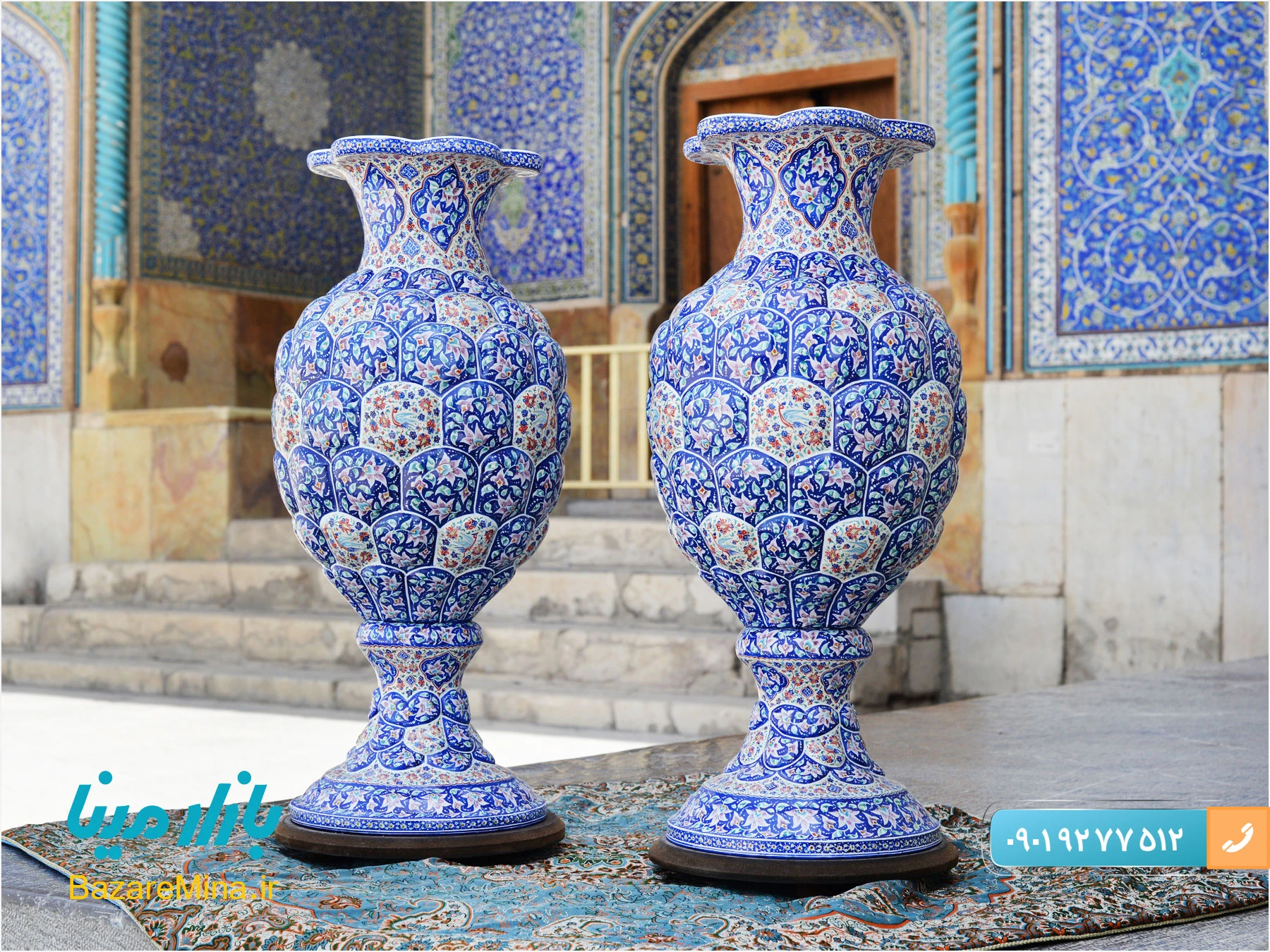
Persian handicrafts are an important part of Iran’s artistic and cultural heritage. Handmade products from different regions of Iran reflect the materials, traditions, designs and skills that have been passed down through generations.
Among the many handicraft centers of Iran, Isfahan is particularly well known for its traditional arts, including Minakari, Khatam Kari, Firoozeh
Koobi, filigree, Ghalamkari and other forms of decorative craftsmanship.
Read more…
At Bazare Mina, you can explore Persian handicrafts and traditional Iranian artworks, with a focus on handmade products associated with Isfahan and other important handicraft traditions of Iran.
Whether you are looking for a decorative piece, a traditional Iranian gift or a memorable souvenir, understanding the characteristics of each craft can help you choose a product that matches your taste and purpose.
Explore Traditional Handicrafts of Iran
Iran has a diverse handicraft tradition because different regions have developed their own techniques, materials and artistic patterns. Copper, wood, turquoise, textiles, metal, enamel and other materials are used by artisans to create both decorative and practical objects.
Persian handicrafts can be found in many forms, from colorful enamelware and finely detailed Khatam work to traditional textiles and engraved metal products. Each craft has its own production process and visual identity, making Iranian handicrafts suitable for collectors, home decoration, traditional gifts and souvenirs.
Handicrafts of Isfahan
Isfahan is one of Iran’s best-known centers of traditional art and handicrafts. The city’s long artistic history has contributed to the development and preservation of crafts that are now associated with Iranian culture around the world.
Among the most recognizable handicrafts of Isfahan are Minakari, Khatam Kari, Firoozeh Koobi, filigree, Ghalamkari, copper and Pardaz painting, miniature painting and traditional textiles.
Walking through the historic areas of Isfahan, particularly around Naqsh-e Jahan Square, visitors can see how traditional Iranian architecture, decorative arts and handicrafts are closely connected. Today, these crafts continue to be produced for homes, offices, gifts, souvenirs and collectors.
Minakari of Isfahan
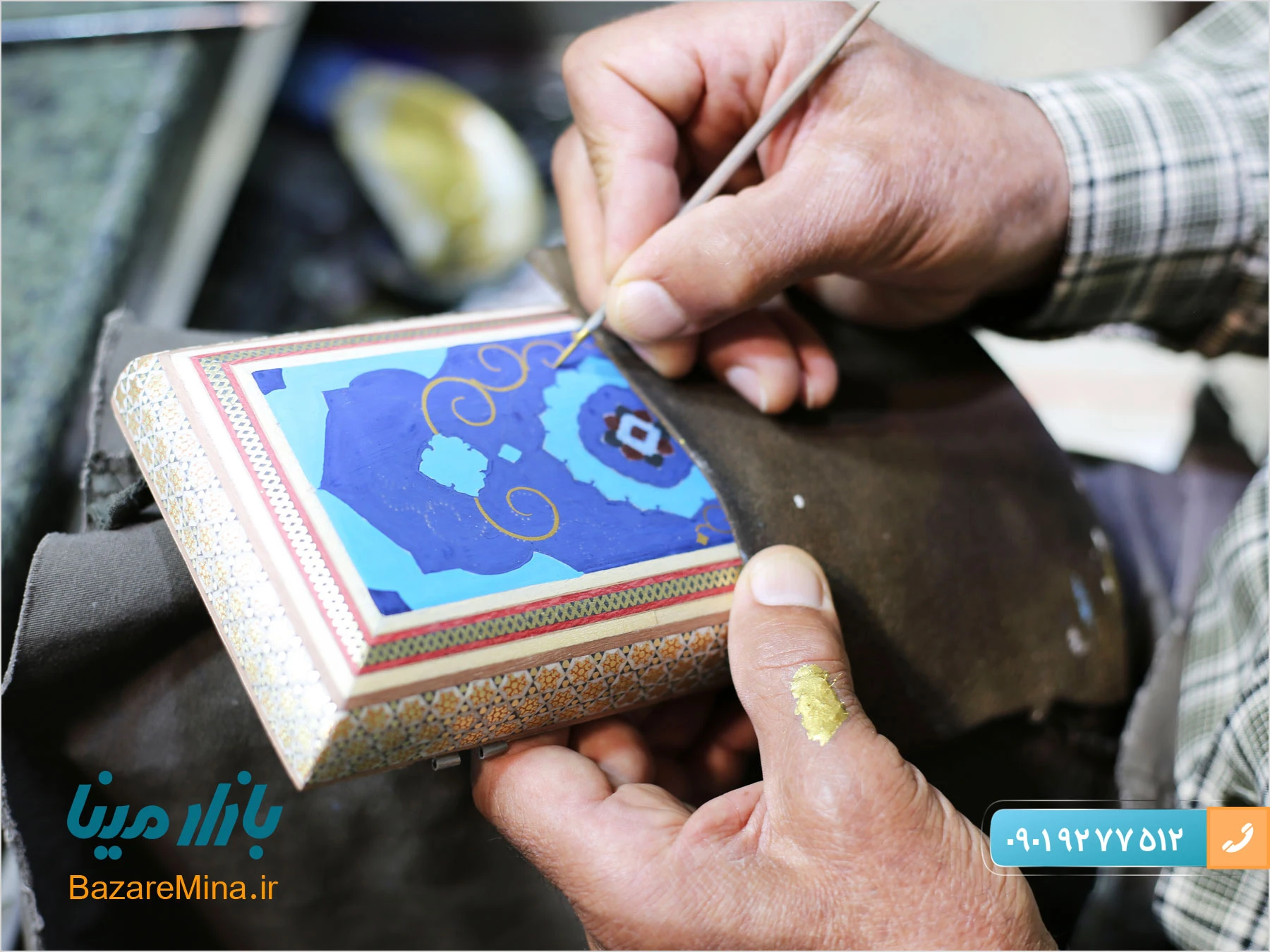
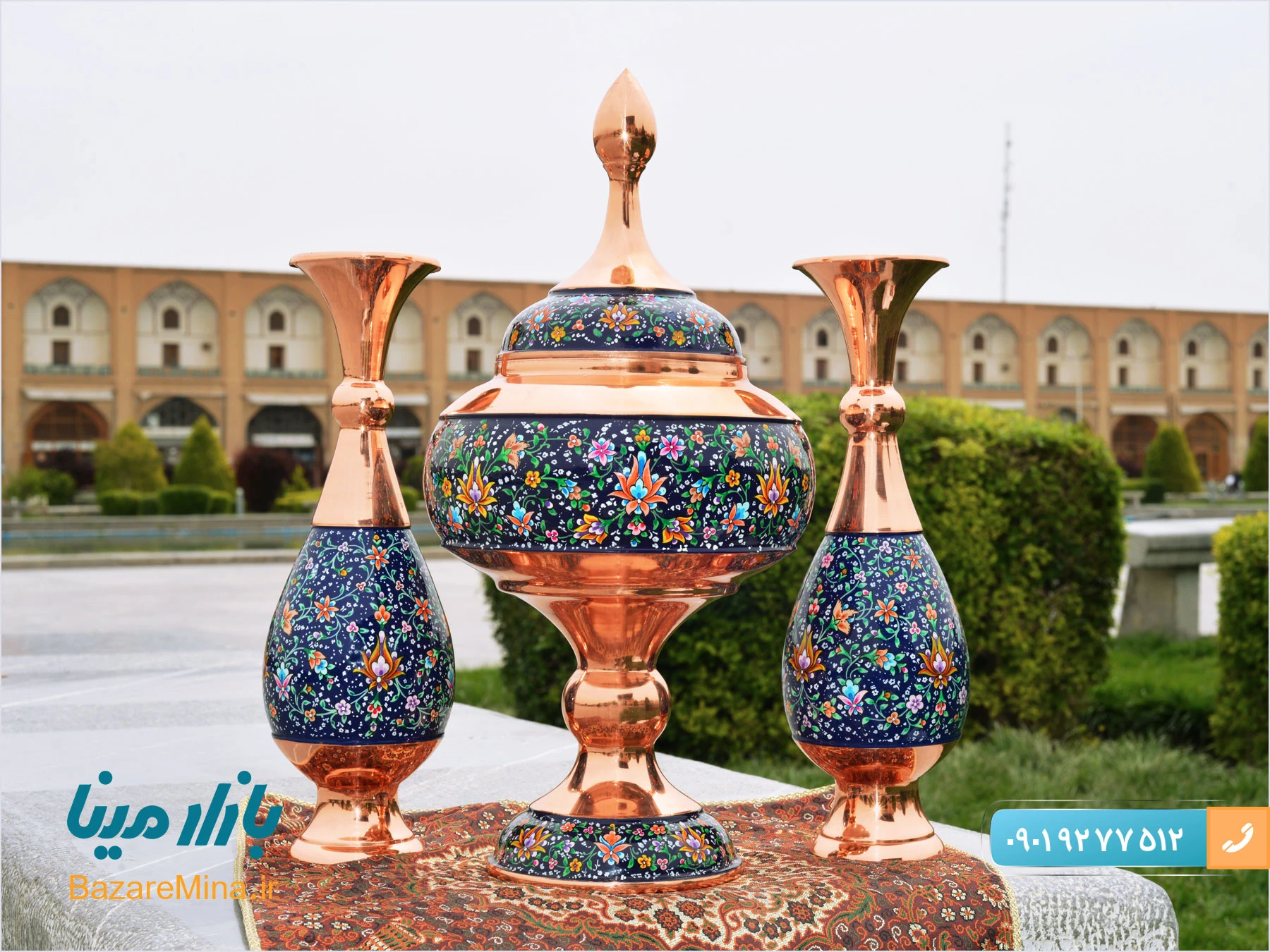
Minakari, also known as Persian enamelwork, is one of the most recognizable handicrafts associated with Isfahan. In this traditional craft, colorful designs are applied to a metal surface, commonly copper, and the piece is fired at high temperature to create a durable and glossy enamel finish.
Traditional Persian motifs and detailed patterns are an important part of Minakari. Enamelware can be used as decorative objects, serving pieces or traditional Iranian gifts. If you are interested in exploring this craft in more detail, see our page about Minakari of Isfahan.
Firoozeh Koobi of Isfahan
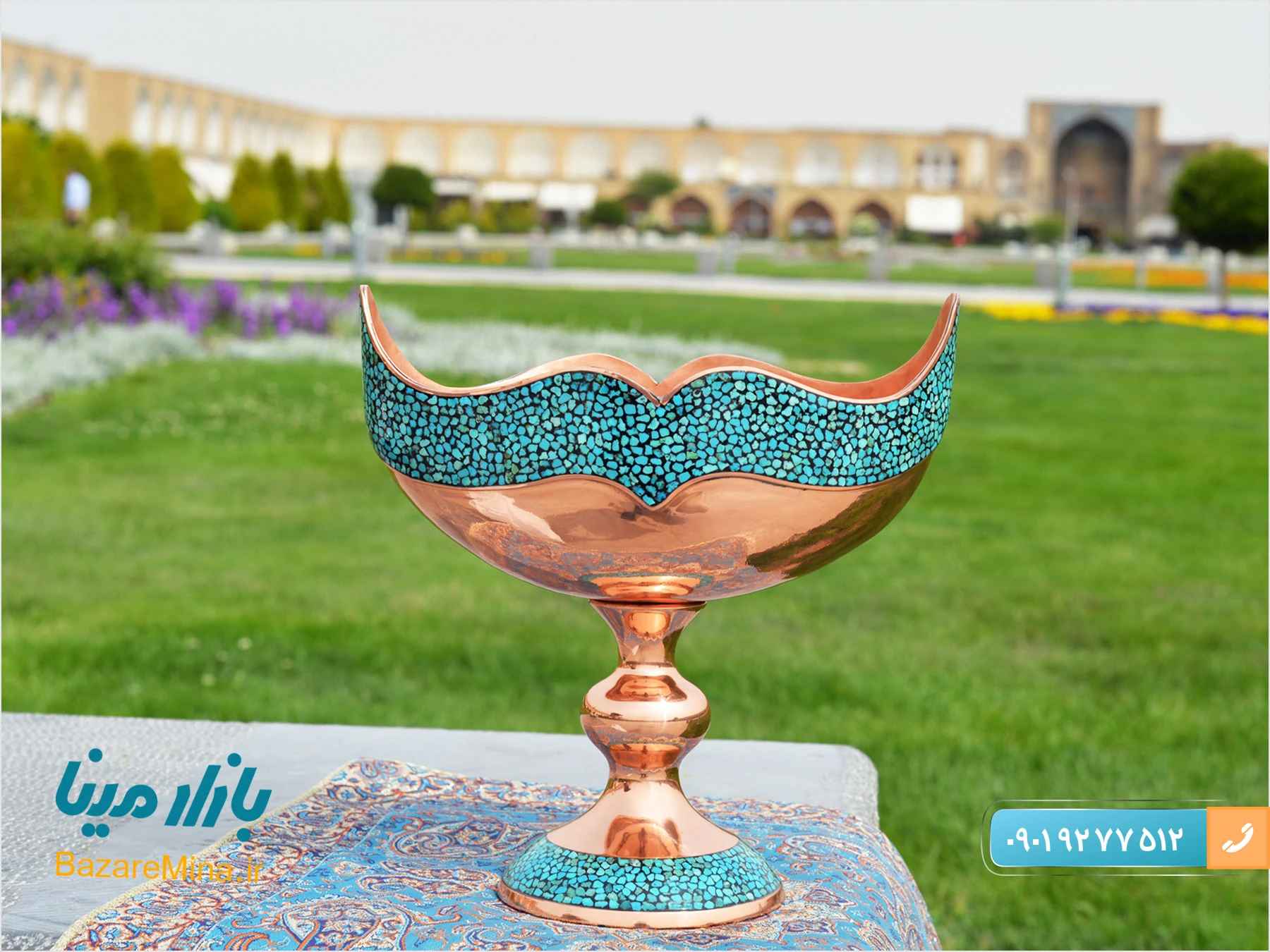
Firoozeh Koobi is a distinctive Iranian handicraft made by combining copper objects with small pieces of turquoise. The contrast between the copper surface and turquoise stones creates a recognizable blue-and-copper appearance.
Turquoise inlay is used on different decorative and practical objects, including dishes, mirrors, decorative containers and gift items. For readers who want to learn more about this craft, our detailed guide to Firoozeh Koobi of Isfahan provides additional information.
Khatam Kari of Isfahan
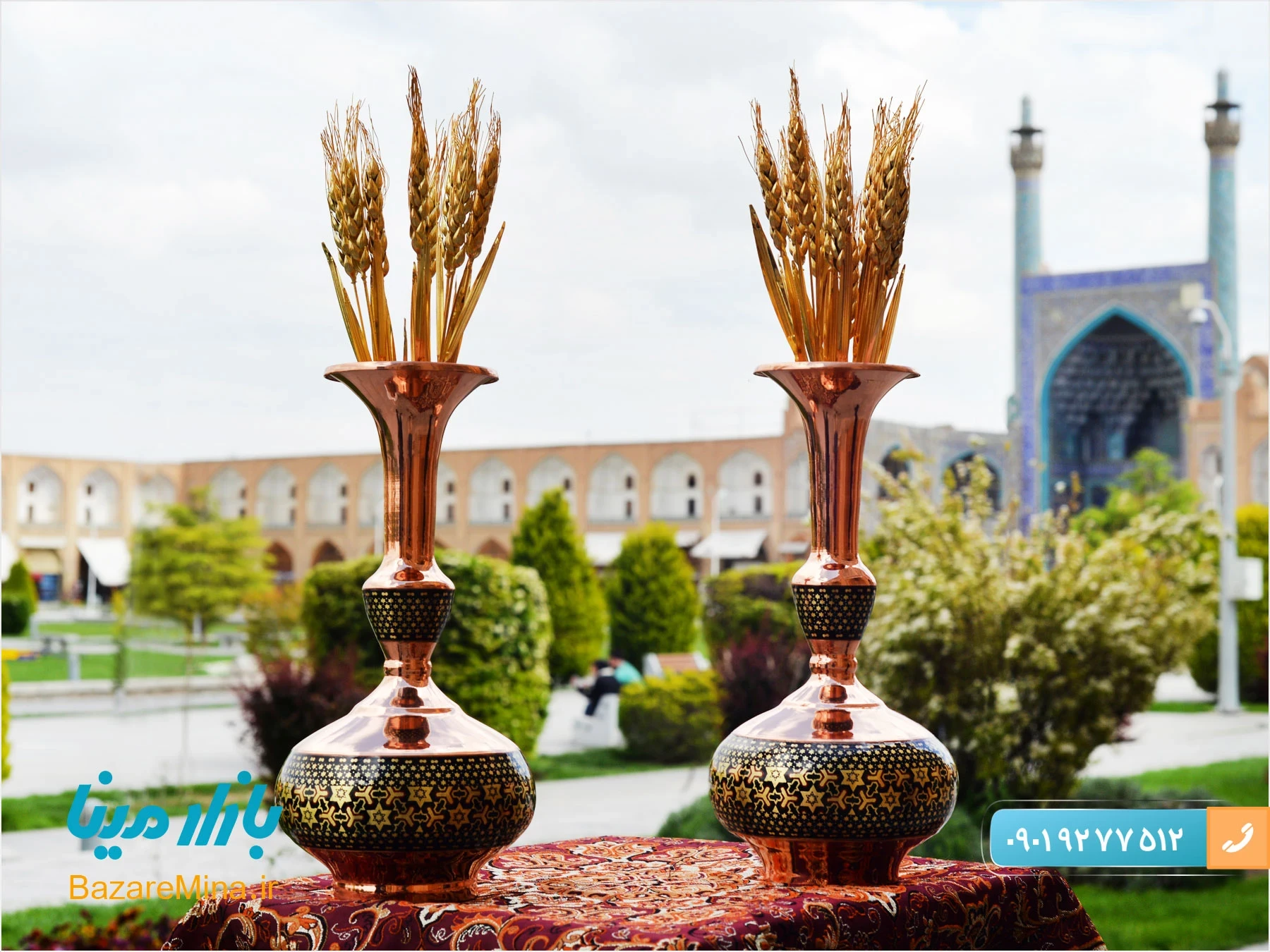
Khatam Kari is a traditional form of Persian inlay work in which very small geometric patterns are created by arranging and combining materials such as wood, metal and other components. The detailed geometric appearance of Khatam is one of the features that makes this craft recognizable.
Khatam Kari products can be used for both decorative and practical purposes. Boxes, desk accessories, tissue boxes and other decorative objects are among the products associated with this craft. You can learn more about the history and characteristics of this art on our page about Khatam Kari of Isfahan.
Filigree of Isfahan
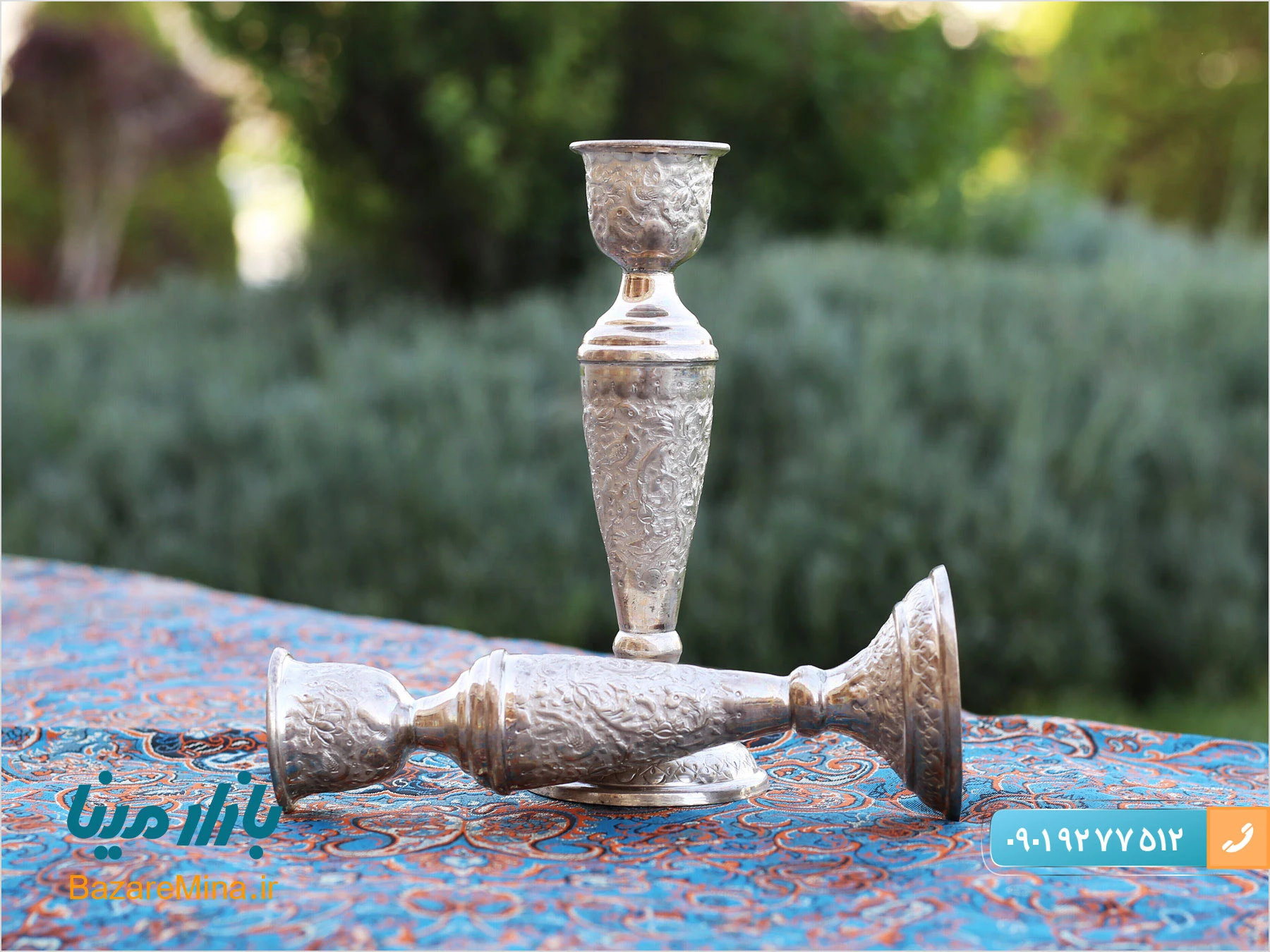
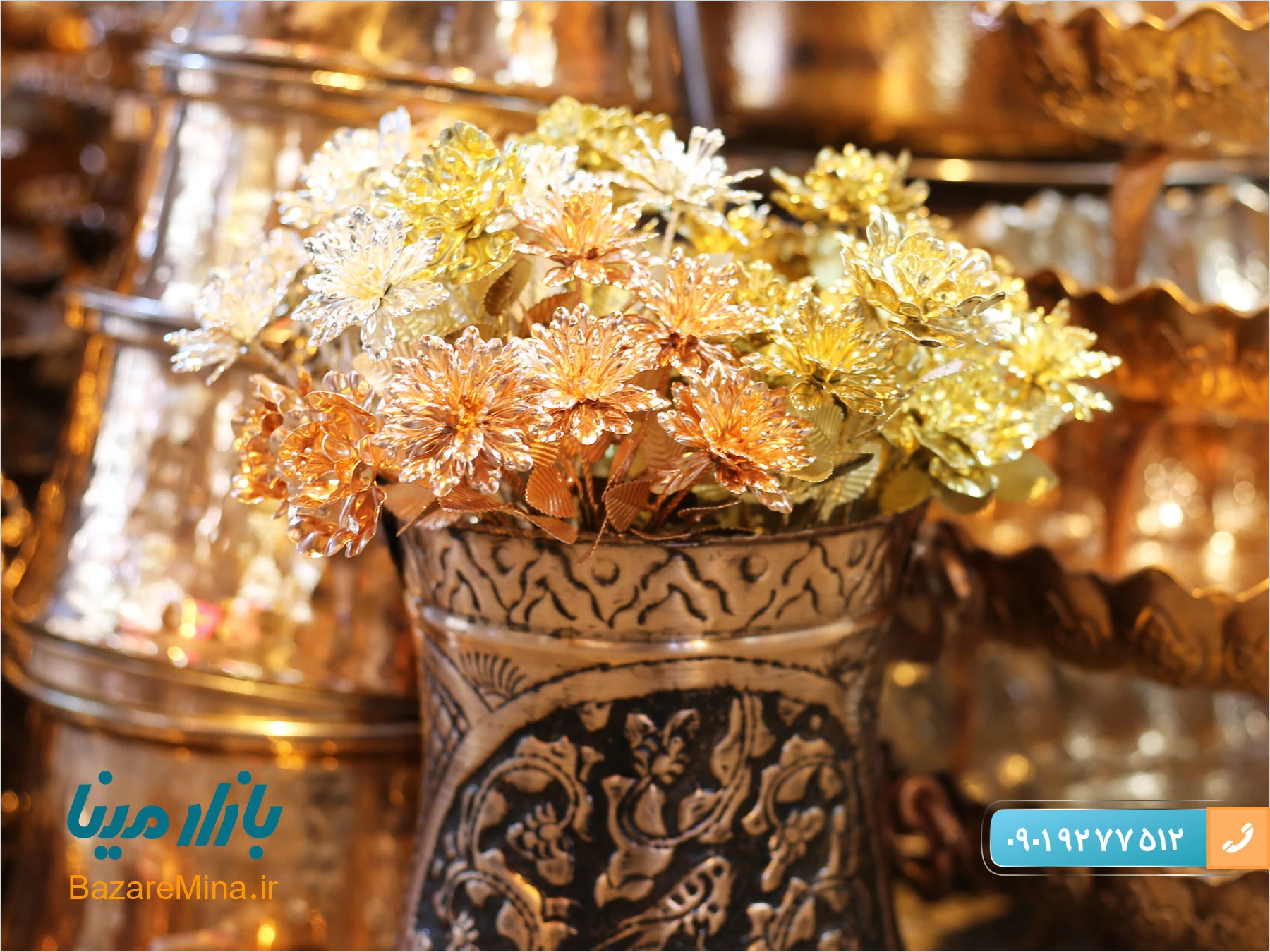
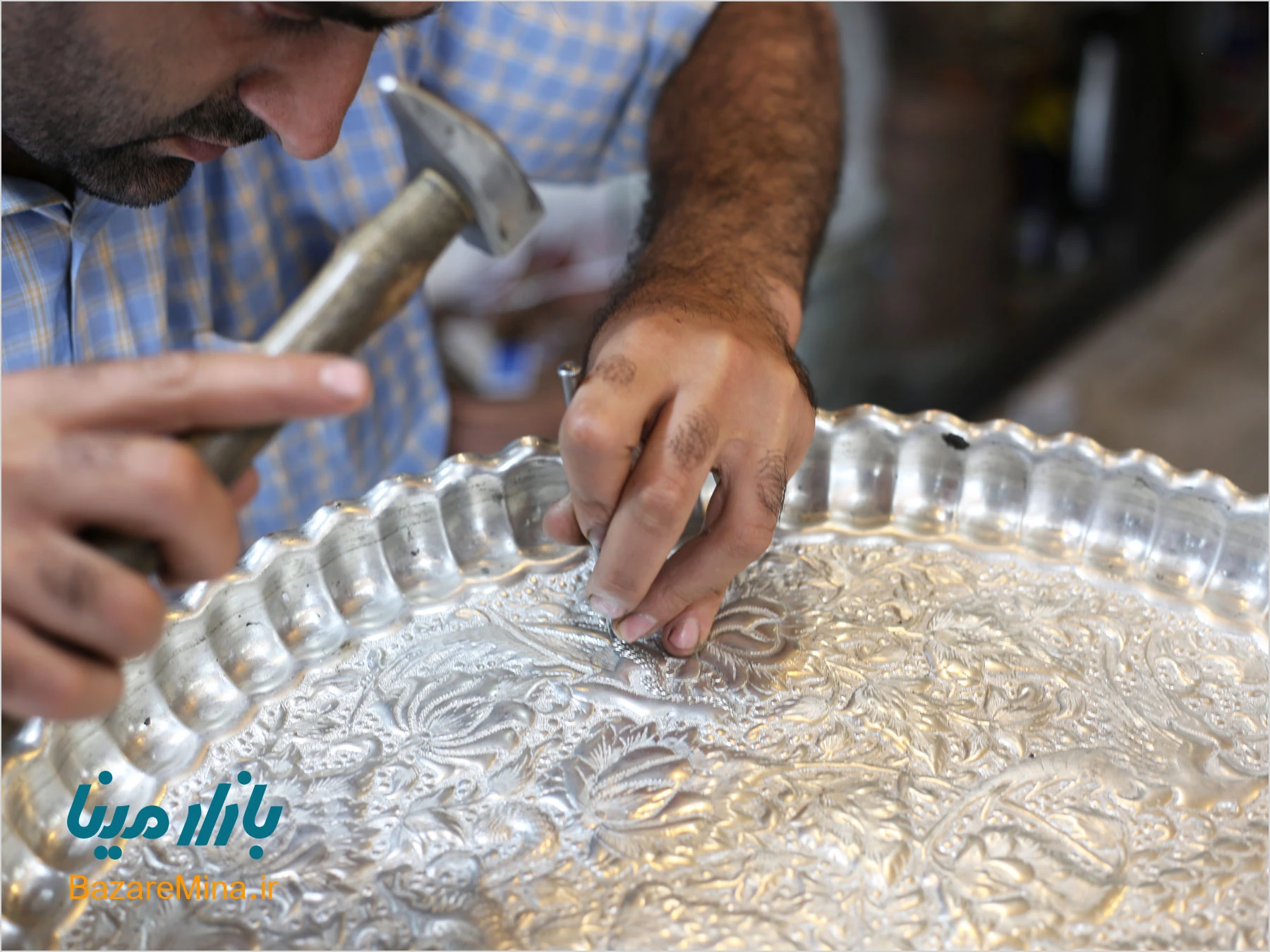
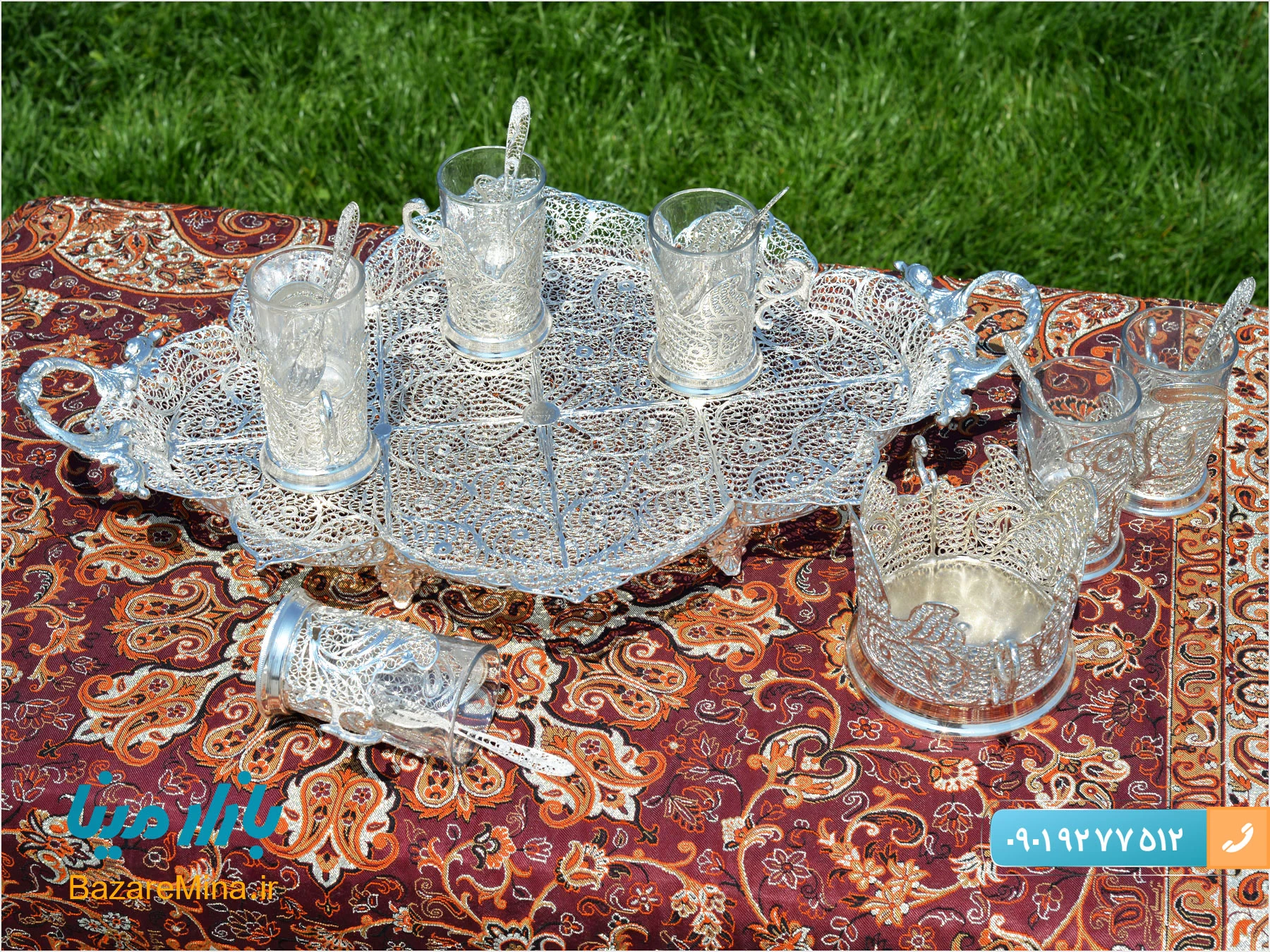
Filigree is a delicate metalworking technique in which thin metal strips or wires are arranged into decorative patterns. Isfahan has a long tradition of producing finely detailed metal handicrafts, and filigree is valued for its intricate appearance.
Because filigree products can contain delicate details, proper storage and protection from excessive moisture can help preserve their appearance. Explore our dedicated guide to Filigree of Isfahan to learn more.
Copper and Pardaz Painting
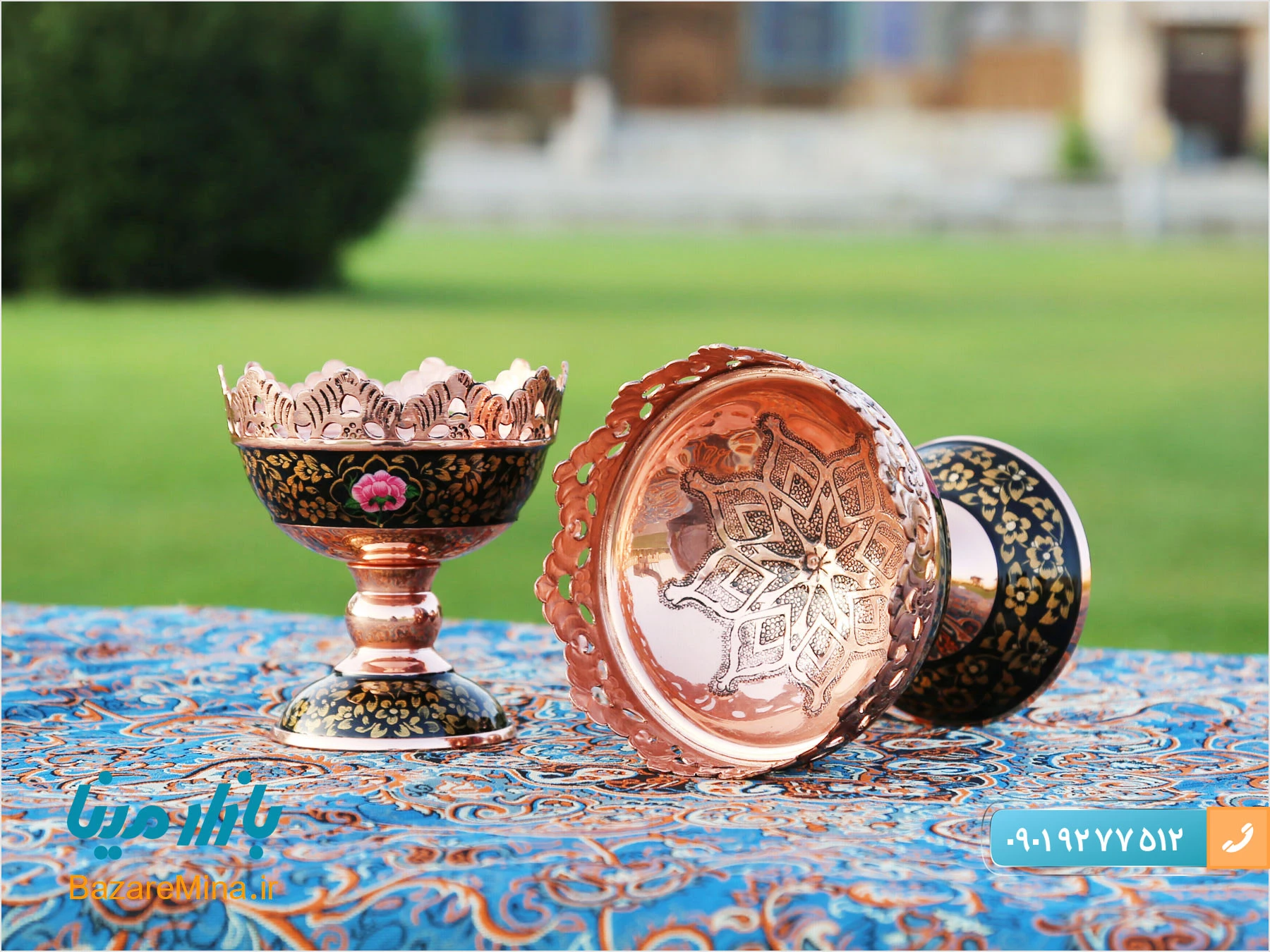
Copper and Pardaz painting combines copper craftsmanship with decorative painting techniques to create detailed traditional designs. Copper has long been an important material in the handicraft traditions of Isfahan, and decorated copper products can serve both decorative and functional purposes.
Our guide to Copper and Pardaz Painting of Isfahan provides a more detailed introduction to this traditional art.
Ghalamkari of Isfahan
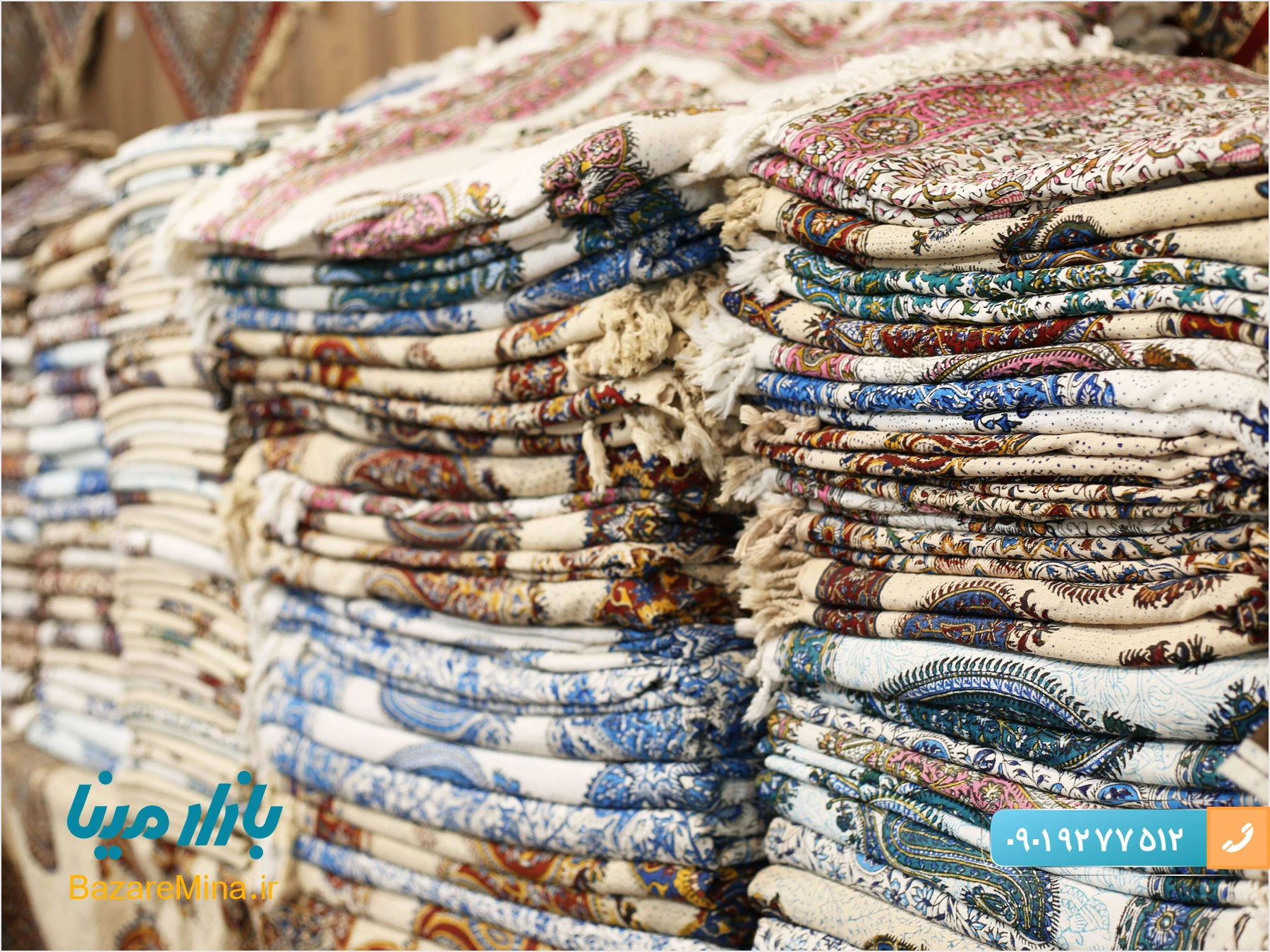
Ghalamkari is a traditional Iranian textile art in which patterns are applied to fabric using traditional printing and coloring techniques. The finished textiles can feature repeated floral, geometric and traditional Persian motifs.
Ghalamkari products are commonly associated with traditional Iranian decoration, clothing accessories and gifts. You can also explore our dedicated information about Isfahan Ghalamkari Cloth.
Termeh and Traditional Persian Textiles
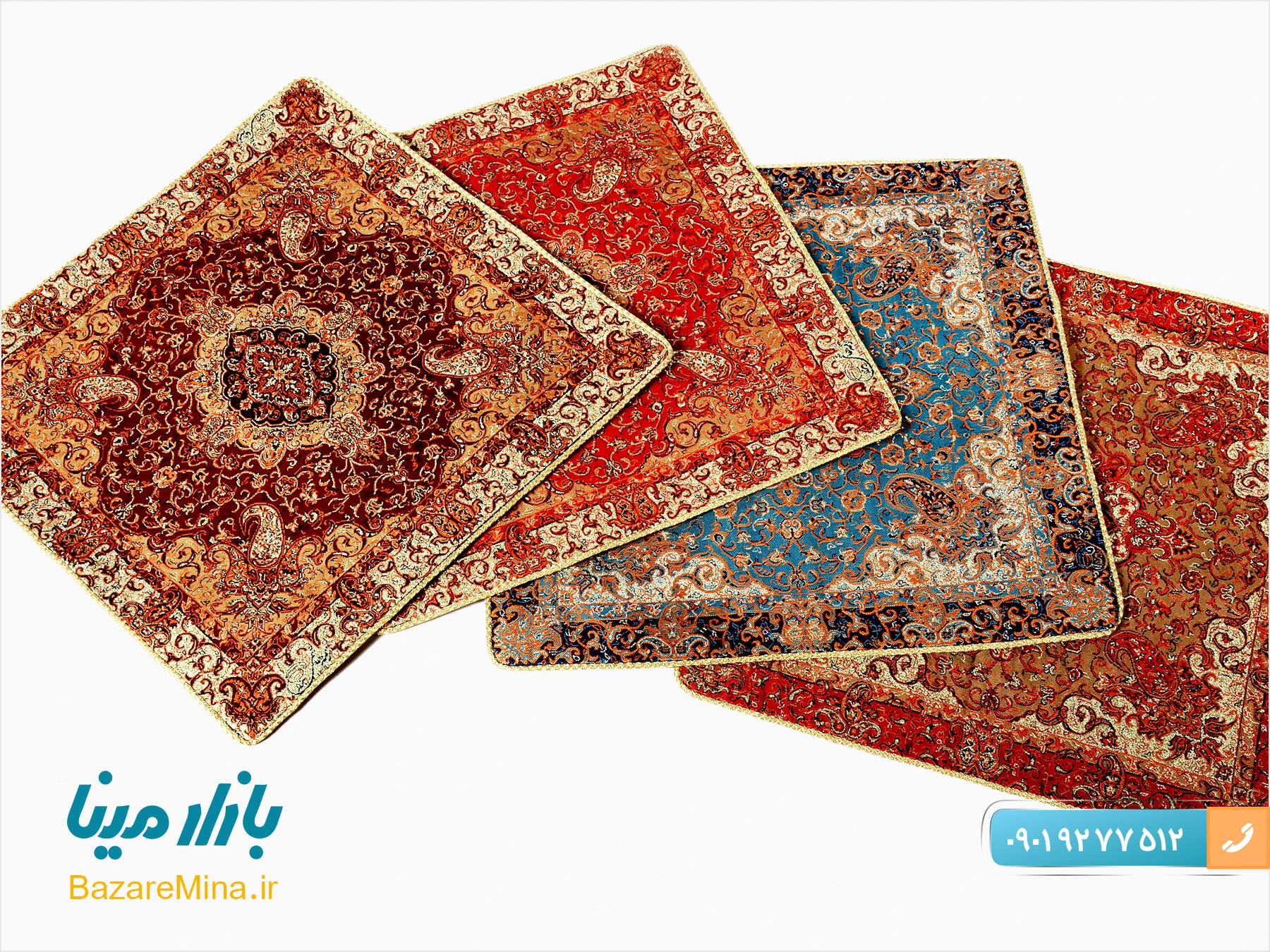
Termeh is a traditional Persian textile known for its detailed patterns and rich decorative appearance. It is commonly used for products such as tablecloths, scarves, decorative textiles and gift items.
Traditional textiles such as Termeh demonstrate how Persian handicrafts combine practical use with decorative design. When choosing a textile handicraft, consider the material, pattern, weaving or printing technique, finishing quality and intended use.
Popular Persian Handicrafts at a Glance
- Minakari: Colorful Persian enamelwork, especially associated with Isfahan.
- Firoozeh Koobi: Copper handicrafts decorated with turquoise stones.
- Khatam Kari: Fine Persian inlay work featuring detailed geometric patterns.
- Filigree: Delicate metalwork made with fine strips or wires.
- Ghalamkari: Traditional Iranian textile printing and decoration.
- Copper and Pardaz: Decorative artwork combining copper craftsmanship and painting.
- Termeh: Traditional Persian textile used for decorative and practical products.
- Miniature Painting: Detailed Persian artwork featuring traditional subjects and decorative compositions.
How to Choose a Persian Handicraft
The right Persian handicraft depends on why you are buying it, the style you prefer and how you plan to use it. A decorative piece for a home may require different characteristics from a traditional gift or an office accessory.
| Purpose | Handicrafts to Consider | What to Look For |
|---|
| Traditional Iranian gift | Minakari, Khatam Kari, Firoozeh Koobi | Traditional design, finishing quality and presentation |
| Home decoration | Minakari, Firoozeh Koobi, filigree | Color harmony, size and compatibility with the space |
| Office or desk decoration | Khatam Kari, copper artwork | Compact size, durability and practical design |
| Textile gift | Termeh, Ghalamkari | Fabric quality, pattern detail and finishing |
| Collector’s piece | Detailed traditional artworks | Craftsmanship, materials, detail and originality |
| Iranian souvenir | Minakari, Khatam Kari, Firoozeh Koobi | Authentic Persian style, size and ease of transportation |
Persian Handicrafts as Traditional Iranian Gifts
Persian handicrafts can be meaningful gifts because they combine artistic design with a connection to Iranian culture and traditional craftsmanship. Depending on the recipient, you can choose a decorative object, a practical item or a traditional textile.
For corporate and promotional gifting, smaller handicrafts can also be considered when the goal is to give recipients an item that represents Iranian art. The choice should take into account the number of recipients, budget, product size, packaging and the intended occasion.
If you are looking for products available for purchase, visit the Bazare Mina handicrafts shop to browse the available Persian handicrafts.
Why Choose Isfahan Handicrafts?
Isfahan has a strong connection with Persian visual arts and traditional craftsmanship. Its handicrafts are recognized for detailed patterns, colorful decoration, metalwork, inlay techniques and traditional textile arts.
For someone interested in Iranian culture, an Isfahan handicraft can provide more than a decorative object. It can also represent a traditional artistic technique and the craftsmanship associated with one of Iran’s major historic art centers.
Frequently Asked Questions About Persian Handicrafts
What are the most famous Persian handicrafts?
Some of the best-known Persian handicrafts include Minakari, Khatam Kari, Firoozeh Koobi, Ghalamkari, filigree, traditional textiles, copper artwork and Persian miniature painting.
What handicrafts is Isfahan famous for?
Isfahan is particularly associated with handicrafts such as Minakari, Khatam Kari, Firoozeh Koobi, filigree, Ghalamkari, copper artwork and other traditional Iranian arts.
Are Persian handicrafts suitable as gifts?
Yes. Many Persian handicrafts are suitable as traditional gifts because they combine artistic design, cultural significance and practical or decorative use. The best choice depends on the recipient, occasion and budget.
Where can I buy Persian handicrafts?
You can browse available Persian handicrafts through the Bazare Mina online handicrafts shop.